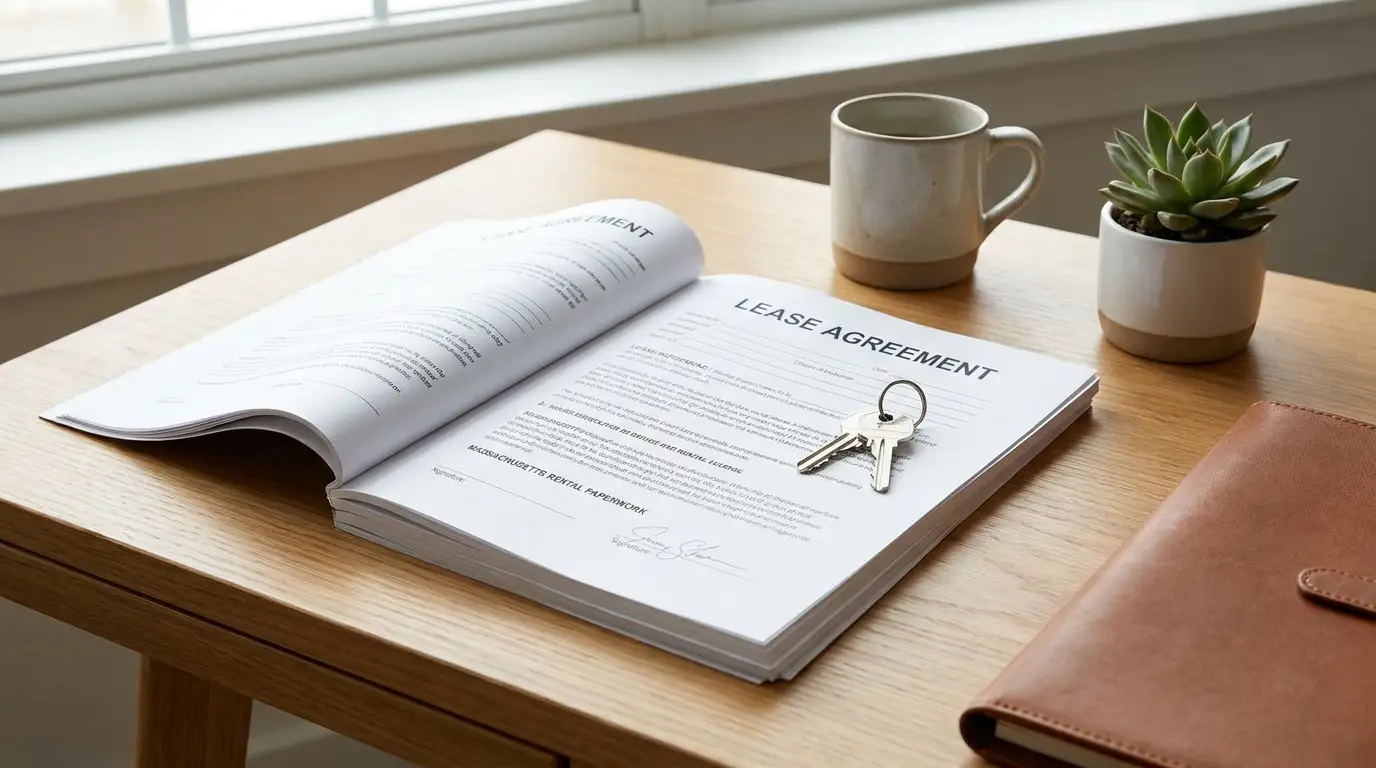
Massachusetts General Law Chapter 186, Section 15B is among the most tenant-protective security deposit statutes in the United States. Violations do not just result in losing the deposit — they expose landlords to treble damages, attorneys' fees, and court costs. Understanding these rules is not optional.
The Five Rules You Cannot Afford to Break
- Maximum deposit: You may only collect first month's rent, last month's rent, a security deposit equal to one month's rent, and a lock fee. Nothing else — no pet deposits, no "cleaning deposits."
- Separate account: The security deposit must be held in a separate interest-bearing account at a Massachusetts bank. You must provide the tenant with the bank name, branch address, and account number within 30 days.
- Interest: You owe the tenant interest annually on the deposit (or the actual earned interest, whichever is greater). Pay within 30 days of the tenancy anniversary date.
- Itemized statement: Within 30 days of move-out, you must provide an itemized list of deductions with receipts for repairs. No statement = no deductions, full deposit returned.
- Return deadline: The deposit must be returned within 30 days of the tenancy ending. Missing this deadline forfeits your right to any deductions.
The Move-In Checklist Requirement
If you collect a security deposit, you must also provide a written move-in checklist documenting the condition of every room. The tenant has 15 days to note disagreements. Without a signed checklist, you cannot legally charge for pre-existing damage. This single oversight is responsible for the majority of successful security deposit claims against Massachusetts landlords.
- Use a property management platform that automates the move-in checklist and stores signed copies digitally — this is your legal protection.
- Set a calendar reminder for 30 days after move-in to send the bank account information letter. Missing this forfeits your interest in the deposit.
- Consider not collecting a security deposit at all on stable, long-term tenants. The compliance burden often outweighs the financial protection.
- Always get repair receipts before deducting — an invoice from your nephew is not sufficient. Use licensed vendors.
- If your landlord has not provided a written move-in checklist, document every pre-existing issue yourself with dated photos immediately.
- Request the bank account information in writing within 30 days of move-in. If not received, note this — it is a violation you can use if disputes arise.
- Send your move-out notice and forwarding address in writing via certified mail. This starts the 30-day return clock.
Source: Massachusetts General Law Ch. 186, Section 15B. Attorney General's Guide to Landlord and Tenant Rights (2025 edition).