The economics of paper check rent collection have always been poor. Banks charge NSF fees. Property managers spend time chasing deposits. Owners wait for money to clear. Tenants forget due dates. The combination of labor cost, bank fees, and cash flow uncertainty makes check collection a choice that operators make by inertia, not calculation.
The ACH Advantage Is Not Just Speed
The measurable improvement in on-time payment rates (96.2% vs 87.4%) is the headline, but the more significant operational benefit is the elimination of reconciliation work. When rent arrives via ACH into a dedicated account, the match to the ledger is automatic. When it arrives as a check, someone must open the envelope, endorse it, photograph it (or drive it to the bank), record it manually, and then reconcile it against the expected amount. At scale, this is a significant labor cost.
The Switch: What Tenants Actually Think
Operators who have forced ACH transitions report minimal tenant pushback — far less than anticipated. Roughly 8% of tenants cite concerns about bank connectivity (addressed by providing multiple payment options during the first 60 days), and 3% have legitimate unbanked status that requires a check alternative. For the remaining 89%, the transition typically takes one cycle and is greeted with indifference or appreciation.
- If you manage more than 10 units and are still collecting checks, you are spending roughly $3,400/year in recoverable costs — mostly your own time.
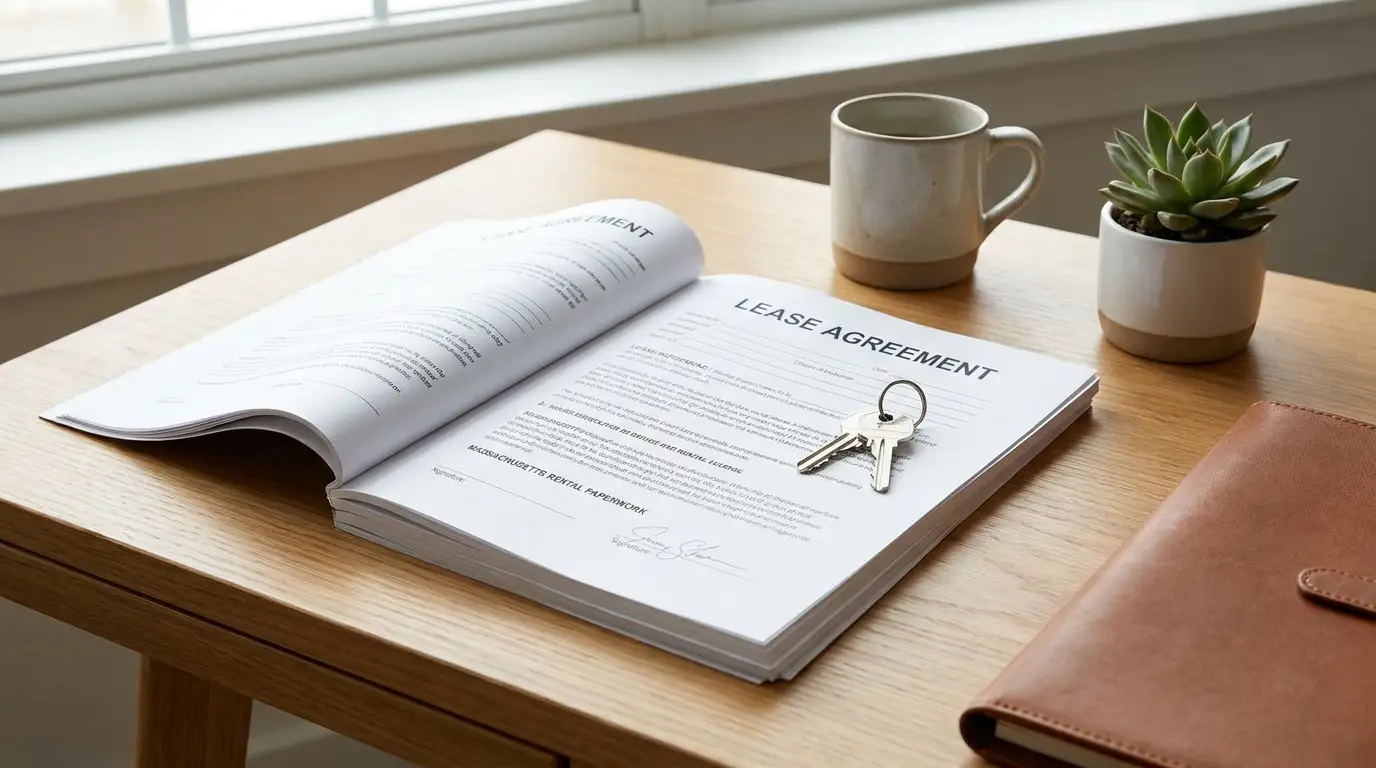
- Make ACH the default in your lease agreement with a check option subject to a $25 convenience fee. This converts most tenants immediately.
- Use a platform that reports on-time payments to credit bureaus — tenants with good payment history have a positive incentive to stay current.
- Keep 60 days of reserve in your operating account during the transition period to absorb any ACH timing differences.
Source: NARPM Operations Survey 2025. Propertyware ACH adoption data. RentIQ platform analytics (aggregate, anonymized).